
SUGO:Voice Chat Party
IndiaMasterAppSocial
3.2773.00 Reviews
- Version
- 2.50.0.0
- Installs
- 50.00M
- Age Rating
- Mature 17+
Screenshots
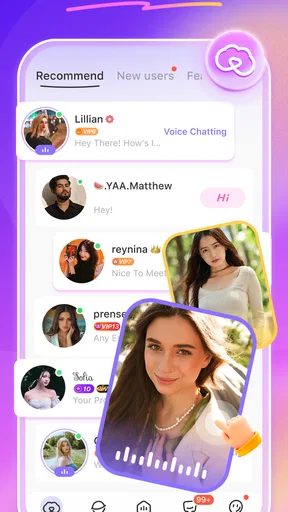
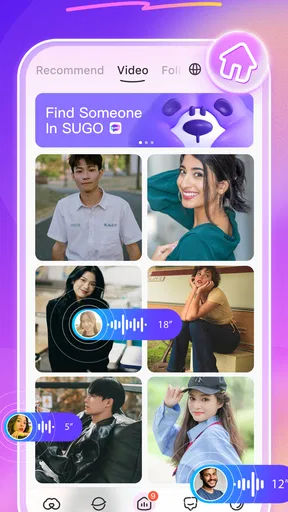
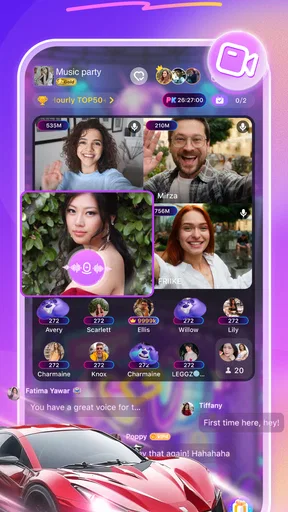
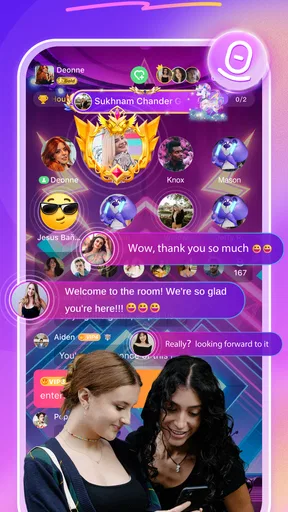

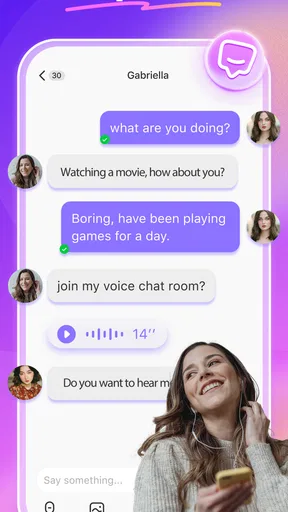
Our Review of SUGO:Voice Chat Party
 Analysis by Appyee
I spent time with SUGO: Voice Chat Party as a social app built around meeting people through live conversation rather than simply scrolling through posts. Its main appeal is straightforward: it puts video chat and voice calls with people from around the world at the center of the experience. That makes it feel more immediate than a traditional social network, but also more demanding. You are not just browsing profiles; you are deciding how much attention, privacy, and money you want to bring into each interaction.
The app is free to download, which makes trying it relatively easy. The important distinction is that free access does not mean every part of the experience has the same value without spending. In-app purchases range from $0.49 to $99.99 per item, so the sensible way to approach it is to explore the free experience first and treat any purchase as optional rather than necessary. I would not install it expecting a completely cost-free social environment, but I also would not describe it as an app that requires payment before you can understand its purpose.
How the social experience works in everyday use
The first thing I noticed is that SUGO is designed for quick connection. Voice chat lowers the pressure of being on camera, while video chat creates a stronger sense of presence when both people are comfortable with it. That combination gives the app a useful middle ground: you can start with a less exposed conversation and move toward a more personal exchange only when it feels appropriate.
A realistic use case is an evening when you want company but do not want to commit to a long group conversation. You might open the app, look for someone available, begin with voice, and decide within a short time whether the conversation deserves more attention. That is a different rhythm from messaging apps, where a connection can sit unanswered for hours. It is also different from large public social networks, where visibility and follower counts often shape the interaction before anyone actually talks.
The worldwide focus is another meaningful part of the experience. Talking with people outside your usual circle can be refreshing, especially if you are bored with the same local feeds and familiar conversations. It can also make communication less predictable. Differences in language, time zones, humor, and expectations may turn a short call into either an interesting exchange or an awkward one. I found that the app works best when I treated those differences as part of the experience instead of expecting every conversation to feel instantly natural.
The developer is IndiaMasterApp, and the app belongs to the social category rather than entertainment in the narrow sense. That matters because its success depends less on polished content and more on the quality of the people you encounter. A beautifully designed interface cannot guarantee that every call will be worthwhile. The real value appears when the matching or discovery process puts you in front of someone who is genuinely interested in talking.
Voice first, video when it makes sense
One of the more practical ways to use SUGO is to treat voice as a screening step. Starting without video can help you judge whether a conversation is respectful, coherent, and worth continuing before sharing more of your appearance or surroundings. This is a small habit, but it changes the balance of the app. Instead of feeling that you must accept the full intensity of a video call immediately, you have a more comfortable way to test the interaction.
I also recommend thinking about your setting before accepting video. A call can reveal more than you intend through your background, nearby voices, or personal routines. Even when the other person seems friendly, keeping the camera pointed at a neutral space is a sensible compromise. SUGO is built for direct contact, but direct contact should not mean giving away personal details too quickly.
Another useful approach is to keep early conversations short. A brief first call gives you a clear exit if the tone is wrong, and it prevents the pressure that can come from staying connected simply because ending feels impolite. This is especially important in a social app with a mature audience, where users may have very different expectations about flirting, friendship, casual conversation, or more personal contact.
What the free download really offers
SUGO costs nothing to download, so the initial value is the chance to explore its social format without paying at the door. That is useful for people who are unsure whether live voice and video interaction suits them. You can learn whether spontaneous calls feel enjoyable, whether the international audience is relevant to you, and whether you prefer this style over text-based communities.
However, I would separate free access from paid value. The presence of purchases means some parts of the experience may encourage spending, and the listed purchase range is broad enough that casual use and heavy spending can become very different experiences. The safest approach is to set a personal limit before buying anything. If you are curious, use the free portion as a trial rather than assuming that a purchase will automatically produce better conversations.
The price structure also makes the app more suitable for users who can resist impulse spending. Live social services can create a sense of urgency: a conversation is happening now, someone is waiting now, and a small purchase can appear easy to justify. Several small decisions can become a larger expense without feeling significant at the time. I would keep payment controls active on the device and avoid buying simply because a conversation becomes emotionally intense.
At the upper end, an item priced at $99.99 is not a casual experiment for most people. That does not make the app poor value by itself, but it does mean the purchase model deserves attention. The free download is easy to test; paid value should be judged only after you know exactly what you want from the app and whether that benefit lasts beyond one interaction.
Where it is stronger than ordinary social apps
Compared with a conventional messaging platform, SUGO reduces the distance between discovering someone and actually hearing their voice. You do not need to build a long text history before finding out whether conversation flows. That immediacy is its clearest strength. For users who dislike endless typing or passive feeds, a live call can feel more human and less performative.
It also differs from public livestream platforms. A livestream usually puts the creator at the center while the audience watches or comments. SUGO’s appeal is more personal: the goal is direct interaction rather than simply consuming a broadcast. That makes it better for people seeking one-to-one contact, but less suitable for anyone who prefers to stay anonymous in a crowd.
Compared with established messaging services, the trade-off is familiarity. People already have contacts, groups, and trusted communication habits elsewhere. SUGO has to earn its place by offering encounters that those services do not. If your main need is reliable communication with family, colleagues, or existing friends, a standard messenger is usually the better choice. This app is more relevant when the point is meeting someone new.
It is also not the right replacement for a carefully moderated community. Topic-based forums and interest groups often give people a shared subject before they interact. Here, the conversation may begin with less context. That can be exciting, but it can also produce more mismatched calls. I would choose SUGO for spontaneity, not for structured discussion around a specific hobby or professional goal.
Audience, privacy, and the mature rating
The app carries a Mature 17+ rating, so I would not recommend it to younger users or to anyone who is uncomfortable with adult-oriented social situations. The rating should shape how you approach conversations, not just whether you can install the app. A user should be prepared to end a call quickly if the subject becomes inappropriate or if the other person ignores a boundary.
That mature audience can be useful for adults who want conversations with people in a similar age range, but it does not guarantee that every exchange will match your expectations. The app brings together people from different places and backgrounds, so personal judgment remains important. Do not share your address, workplace details, financial information, or private contact details simply because a call feels friendly.
I would also avoid treating a profile or a pleasant voice as proof of identity. Live video can create a stronger feeling of trust, but it is still only one part of an online interaction. If someone pressures you to move quickly, asks for money, or tries to make you feel guilty for refusing a request, ending the conversation is the right response. The strongest feature of a social app is never worth ignoring basic safety.
Performance expectations and small points of friction
The app’s current version is 2.50.0.0, and it supports devices running Android 6.0 or later. That gives it a broad technical reach, including older Android phones, although the actual comfort of video calling will depend on the device, connection, camera, microphone, and surrounding conditions. A phone that handles ordinary messaging well may still feel less comfortable during extended live calls.
Video interaction also consumes more attention than text. You need a suitable place, enough battery, and a connection stable enough to avoid interruptions. Voice is the more flexible option when you are commuting, relaxing at home, or dealing with limited privacy, but even voice calls are inconvenient when you need silence or cannot concentrate. I see this as a practical limitation of the format rather than a flaw unique to SUGO.
Another friction point is inconsistency. Some conversations will be engaging, while others will end quickly or feel mismatched. That is normal for an open social service, but users who expect every session to deliver meaningful connection may become disappointed. I would judge the app by whether it occasionally creates worthwhile encounters, not by expecting a perfect result every time I open it.
Who is most likely to get value from it
SUGO makes the most sense for adults who enjoy spontaneous conversation and are comfortable meeting people outside their existing network. It can suit someone who wants to practice talking with people from other countries, break up a lonely evening, or replace passive scrolling with a more active social experience. It is particularly useful if you prefer hearing tone and personality instead of interpreting short text messages.
It may also work for people who want a gradual level of exposure. Starting with voice, moving to video only when comfortable, and leaving whenever the interaction feels wrong creates a manageable workflow. That is more flexible than committing to a public profile or posting content for strangers to judge.
On the other hand, I would skip it if you need dependable contact with people you already know. A normal messenger will be faster and more predictable. I would also skip it if unexpected calls make you anxious, if you do not want to manage boundaries with strangers, or if you are likely to spend impulsively on social interactions. The free download removes the initial financial barrier, but it does not remove those personal trade-offs.
Users looking for dating with detailed compatibility tools may prefer a dedicated dating service. Users seeking professional networking should choose a platform built around work identities and career context. Users who want public entertainment may be happier with livestreaming. SUGO occupies a narrower but clear space: immediate social contact through voice and video with people you may not already know.
How I would use it without wasting time or money
I would begin by deciding what I want from each session. If the goal is casual conversation, I would keep the interaction light and avoid sharing personal information. If the goal is language practice, I would say that early so both people understand the purpose. If the goal is simply to feel less alone, I would still keep expectations modest; one call can help, but it cannot guarantee a lasting friendship.
I would use voice as the default starting point, move to video only when trust develops, and end calls that become uncomfortable without trying to explain myself at length. I would also avoid making purchases during an emotionally charged conversation. Waiting until later creates enough distance to decide whether the paid item offers genuine ongoing value or merely extends a momentary interaction.
For anyone testing the app, the best experiment is not to spend immediately. Try several sessions at different times, notice whether you find the audience engaging, and see whether the format fits your routine. If the free experience already feels tiring or awkward, payment is unlikely to solve the underlying mismatch. If you consistently enjoy the conversations and understand what a purchase adds, then a small, controlled test is more sensible than jumping to a large item.
My verdict on the overall value
SUGO: Voice Chat Party has a clear identity and a useful point of difference: it makes live voice and video contact the center of social discovery. I like that it can move from low-pressure voice conversation to more personal video without requiring a long text exchange first. The worldwide audience adds variety, and the free download gives curious users a practical way to test the concept.
Its weaknesses are equally important. Conversations can be uneven, the mature audience requires firm boundaries, and live interaction is more demanding than browsing or messaging. The purchase range also means users should be careful about confusing paid activity with better social value. A large audience does not guarantee a better personal experience; the app has over 50 million installs, while its average rating is 3.2 from around 155 thousand ratings, which suggests that the experience is useful for some people but far from universally satisfying.
My recommendation is conditional. Try it if you genuinely want spontaneous conversations with unfamiliar people and can use the free access patiently. Keep voice as your first step, protect your privacy, and set a spending limit before exploring purchases. Choose a standard messenger, a focused community, or a dedicated dating platform when you need reliability, shared interests, or structured matching instead.
For the right adult user, the app can turn an ordinary quiet evening into an unexpected conversation. For everyone else, especially people seeking predictable communication or a completely cost-free experience, skipping it is a reasonable decision. I see it as worth testing, not as something worth buying into blindly.
Verdict
Strengths of SUGO:Voice Chat Party
- Large selection of live voice rooms for different interests.
- Easy-to-use interface makes joining conversations quick.
- Interactive games and activities help break the ice.
- Profile customization makes it easier to express your personality.
- Frequent events can keep regular users engaged.
Limitations of SUGO:Voice Chat Party
- Some rooms may feel noisy or difficult to follow.
- Quality of conversations depends heavily on the room host.
- In-app purchases may be needed for premium gifts or features.
- Public voice chats can raise privacy concerns for some users.
- Notifications may become excessive without careful settings.
Other Releases by IndiaMasterApp
View All
Sugo lite: Live Voice Chat
Social3.4

SoMatch- Online Chat & Party
Social4.1
Similar Picks in This Category
View All
Meta Platforms, Inc.4.6

Instagram4.0

Likee-Live, Chat & Party Games
Likeme Pte. Ltd.4.4

Facebook Lite
Meta Platforms, Inc.4.5

TikTok - Videos, Shop & LIVE
TikTok Pte. Ltd.4.0

Moj: Free Short Drama & Reels
ShareChat4.1
Frequently Asked Questions
What is SUGO: Voice Chat Party, and how does it work?
SUGO: Voice Chat Party is a social communication app centered on voice conversations, group chats, private messaging, and meeting people online. After creating a profile, you can browse recommended users or chat rooms, join conversations, send messages, and interact with people who share similar interests. Its experience depends heavily on active communities, available rooms, and the quality of user participation in your region.
Is SUGO: Voice Chat Party free to download and use?
SUGO can generally be downloaded for free, and users may access basic social and communication features without paying immediately. However, the app may include optional in-app purchases, virtual items, premium benefits, or other paid features that enhance interactions or visibility. Before spending money, review the purchase details, subscription terms, renewal settings, and the applicable payment policies on your Android or iOS device.
Is SUGO: Voice Chat Party safe for meeting and talking to strangers?
As with any social voice-chat platform, SUGO should be used carefully because conversations involve people you may not know personally. Avoid sharing your address, passwords, financial information, private documents, or other sensitive details. Use blocking and reporting tools when necessary, keep conversations inside the app until trust is established, and remember that profiles or claims made by other users may not always be genuine.
Does SUGO require a phone number, microphone, or other permissions?
The exact requirements can vary depending on your device, region, and the version of the application. SUGO may request access to features such as the microphone for voice conversations, notifications for messages and invitations, and possibly photos or storage for profile content. It is worth checking each permission before accepting it and disabling access that is not necessary for the features you plan to use.
Can I control who contacts me and remove my SUGO account later?
SUGO typically provides privacy and communication controls that may allow you to block users, report inappropriate behavior, leave voice rooms, or adjust notification settings. The available options can change with app updates, so review the account and privacy sections carefully. If you decide to stop using the service, look for the account deletion option in the app settings and read any information about data removal or retention first.
